Essential Building Material Supplies Every Contractor Needs
In the construction industry, having the right building material supplies is crucial for the successful completion of any project. Contractors rely on a wide array of materials to ensure that structures are not only functional but also durable and aesthetically pleasing. This article delves into the essential building materials that every contractor should have at their disposal. From concrete and cement products to plumbing supplies, each category plays a pivotal role in construction. Understanding the nuances of these materials will empower contractors to make informed decisions that can impact project timelines and budgets.
1. Concrete and Cement Products
1.1 Types of Cement
Cement is the backbone of construction, and its versatility is evident in the variety of types available. Portland cement is the most common type, known for its strength and reliability across different projects. Blended cements, which include combinations of Portland cement with other materials, offer enhanced properties such as improved workability and reduced environmental impact. Rapid-setting cements are particularly useful for projects requiring quick turnaround times, allowing for faster construction schedules. Each type of cement has its unique properties, making it essential for contractors to select the right one for their specific needs.
1.2 Concrete Mixes
Concrete mixes are tailored to meet the specific demands of a project, whether it’s a residential driveway or a commercial skyscraper. The composition of concrete mixes involves a blend of cement, water, sand, and aggregates, with variations to achieve desired strength and durability. Contractors must consider factors such as load-bearing requirements and environmental conditions when choosing a mix. For instance, high-strength concrete is ideal for structures subjected to significant stress, while lightweight concrete is preferred for applications where weight reduction is crucial. The ability to customize concrete mixes is a testament to its adaptability in construction.
1.3 Additives and Admixtures
Additives and admixtures play an instrumental role in enhancing the properties of concrete, allowing for greater flexibility in its application. These materials can alter characteristics such as setting time, strength, and workability, making them invaluable for specific project requirements. For example, accelerators can speed up the setting time, while retarders can slow it down for projects that require more time for placement. Admixtures can also improve resistance to environmental factors, such as freeze-thaw cycles, which is critical in certain climates. By incorporating the right additives, contractors can ensure that their concrete meets the highest performance standards.
1.4 Tools for Concrete Work
Working with concrete requires a comprehensive set of tools to ensure precision and efficiency. Basic tools include mixers, which combine the ingredients to form a uniform mixture, and trowels, used for smoothing and finishing surfaces. More advanced equipment, such as power screeds and vibrating tools, aid in leveling and compacting concrete to enhance its structural integrity. Safety gear, including gloves and masks, is essential to protect workers from potential hazards associated with concrete handling. Investing in the right tools is crucial for contractors to achieve optimal results in their concrete projects.
1.5 Safety Precautions
Safety is paramount when handling concrete and cement products, as these materials pose several risks to workers. Proper training and the use of personal protective equipment (PPE) are vital to minimize exposure to dust and chemicals that can be harmful if inhaled or contacted. It is essential to follow safety guidelines and procedures, such as ensuring adequate ventilation in enclosed spaces and implementing ergonomic practices to prevent injuries. Contractors must also maintain equipment regularly to prevent malfunctions that could lead to accidents. By prioritizing safety, construction teams can protect their workforce and maintain productivity.
2. Timber and Wood Products
2.1 Types of Timber
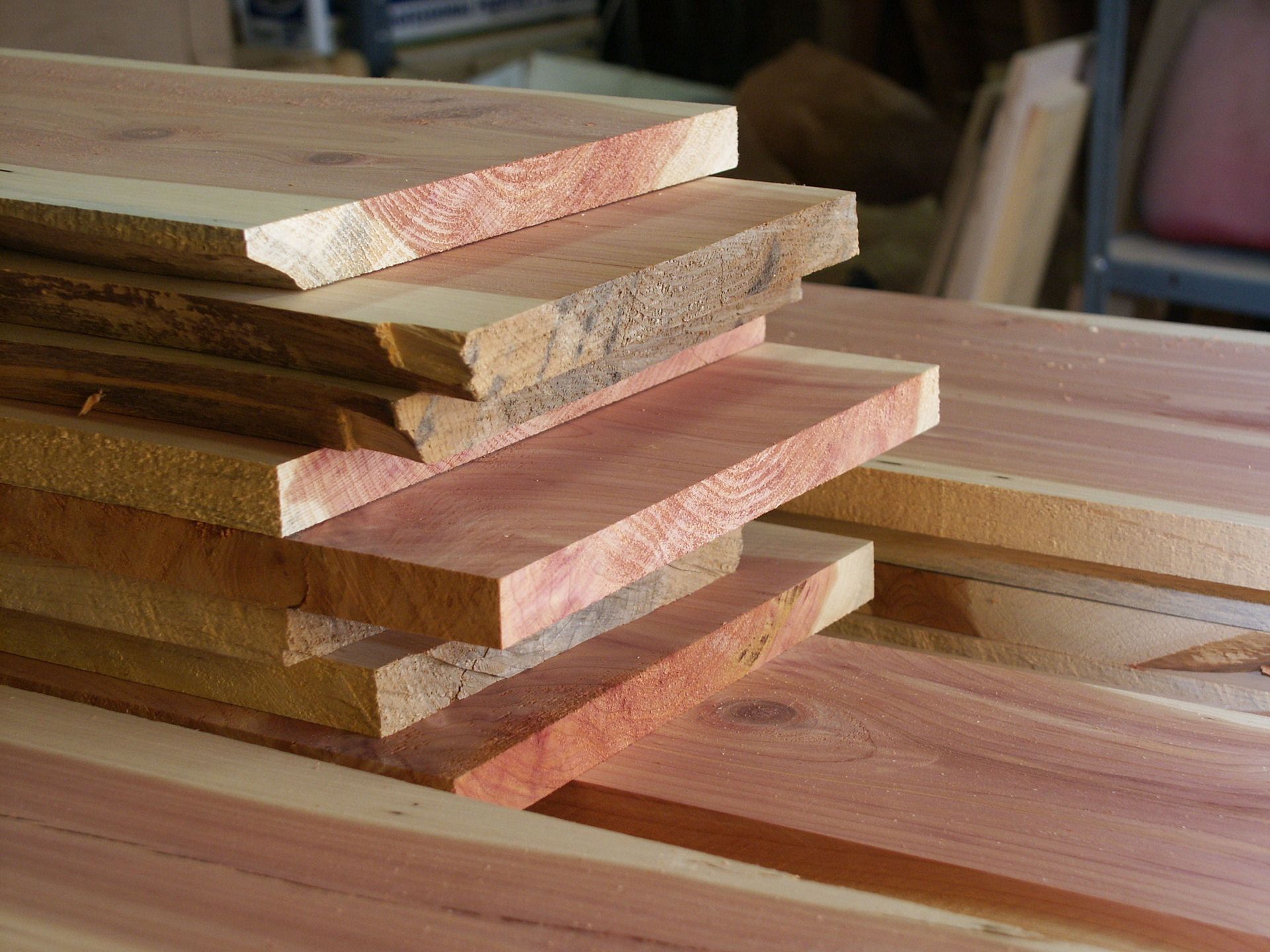
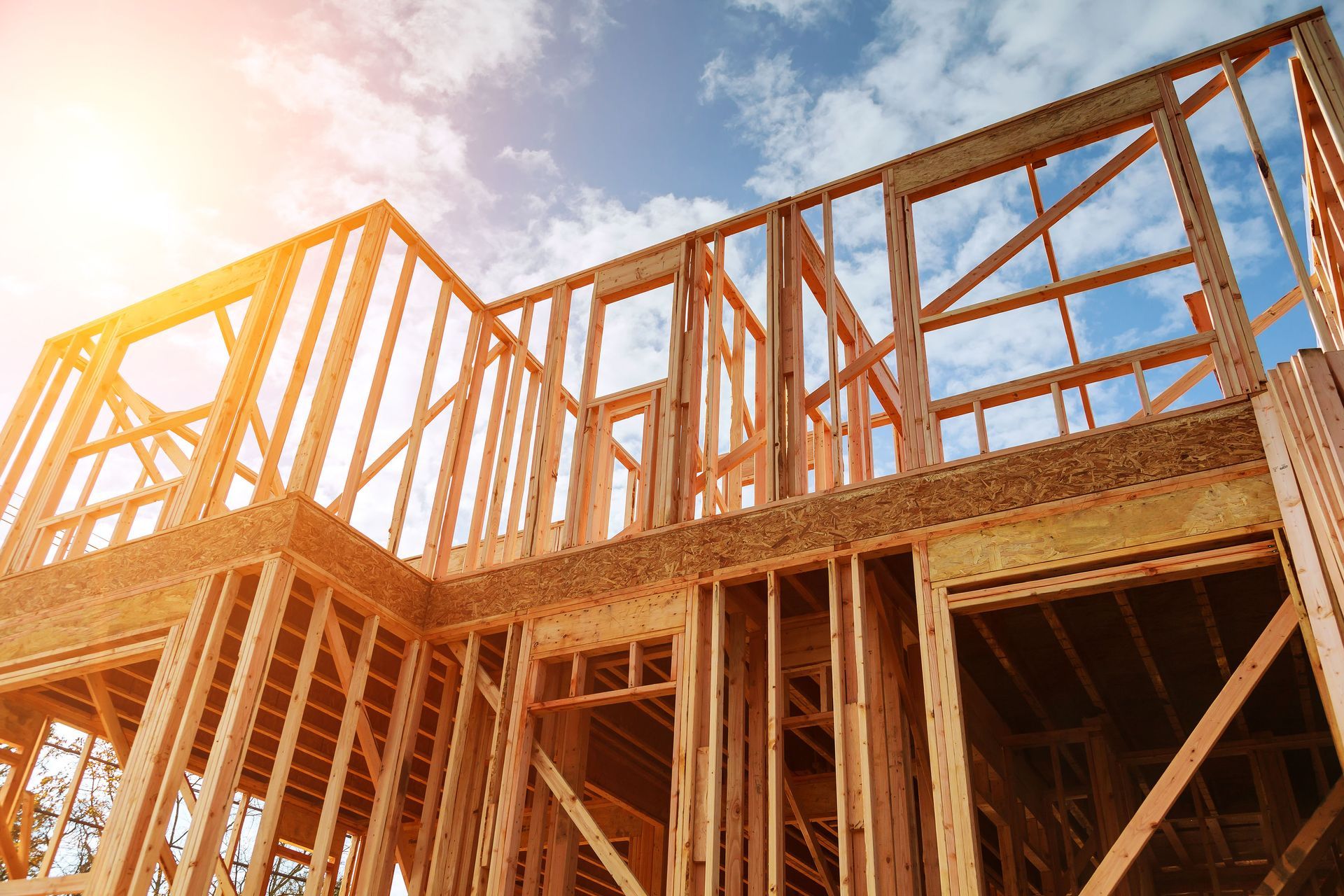
Timber is an essential building material, offering versatility and natural beauty for various construction applications. Softwoods, such as pine and spruce, are commonly used for framing due to their ease of handling and cost-effectiveness. Hardwoods, like oak and mahogany, are prized for their durability and aesthetic appeal, making them ideal for high-end finishes and furniture. The choice between softwood and hardwood depends on factors such as structural requirements, budget, and design preferences. Understanding the characteristics of different timber types allows contractors to select the right wood for their projects.
2.2 Lumber Sizing and Grading
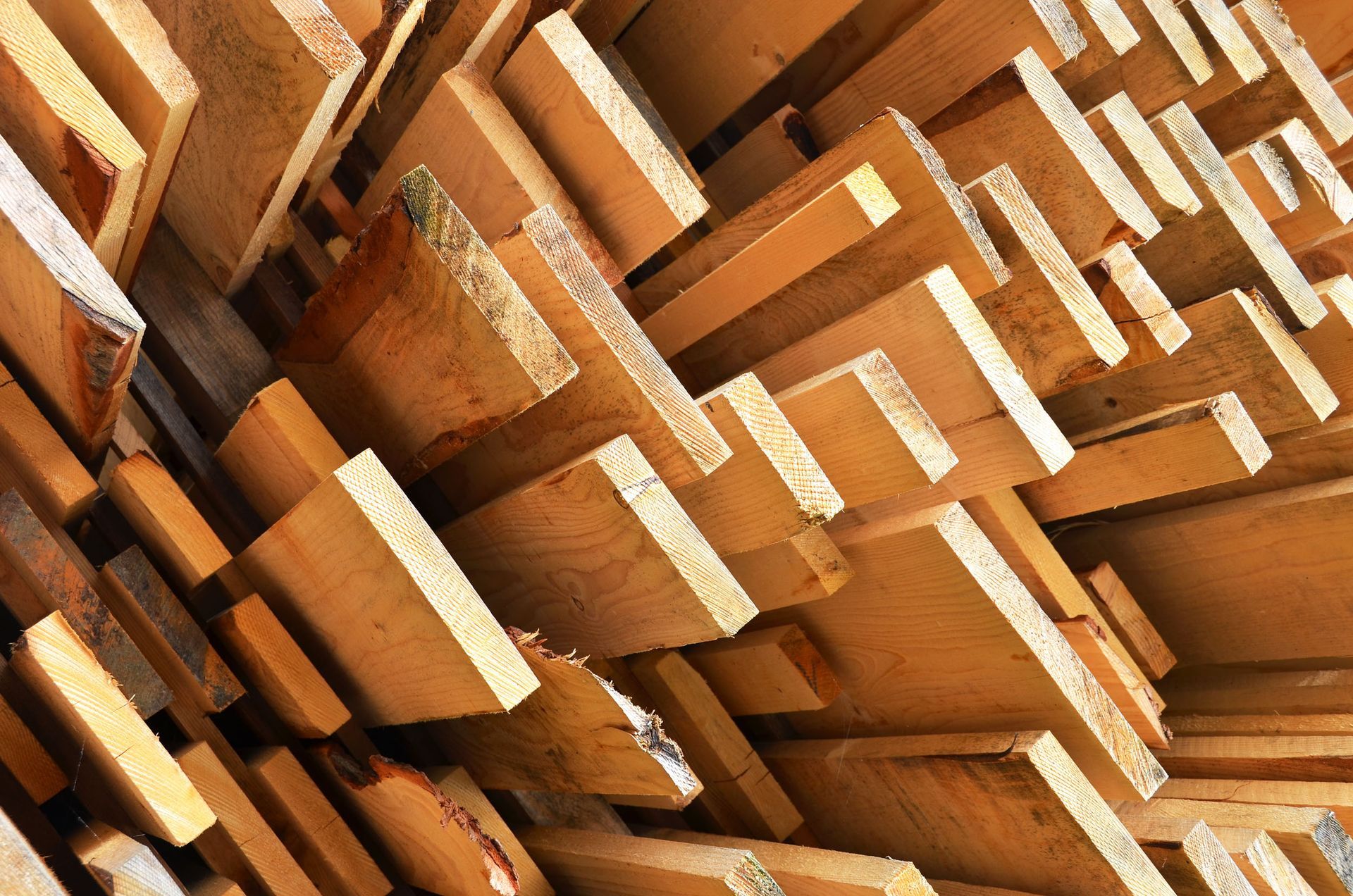
Lumber sizing and grading are critical considerations in wood construction, as they determine the strength and suitability of the material for specific applications. Lumber dimensions are standardized to ensure consistency, with common sizes ranging from 2x4s to larger beams used in structural supports. Grading systems classify lumber based on factors such as knots, grain patterns, and defects, impacting its load-bearing capacity and visual quality. Contractors must be knowledgeable about these standards to make informed decisions that align with engineering specifications and aesthetic goals. Accurate sizing and grading ensure the integrity and appearance of wood structures.
2.3 Plywood and Paneling
Plywood and paneling are integral components in construction, offering strength and versatility for various uses. Plywood is composed of multiple layers of wood veneer, bonded together to create a robust and flexible material. It is commonly used for subflooring, wall sheathing, and roofing, providing a stable substrate for other materials. Paneling, available in various styles and finishes, enhances interior aesthetics while offering functional benefits such as insulation and soundproofing. The adaptability of plywood and paneling makes them valuable assets in both structural and decorative applications.
2.4 Preservatives and Treatments
Wood preservatives and treatments are essential for prolonging the life of timber products, protecting them from decay, pests, and environmental damage. Pressure-treated wood is infused with chemical preservatives, increasing its resistance to moisture and insect infestations. Other treatments, such as sealants and stains, enhance the wood’s appearance while providing additional protection against UV rays and weathering. Contractors must select appropriate treatments based on the intended use and exposure of the wood, ensuring durability and performance in various conditions. By safeguarding timber, construction professionals can extend the lifespan of their wooden structures.
2.5 Sustainable Sourcing
Sustainability is a growing concern in the construction industry, prompting contractors to consider environmentally friendly wood sourcing practices. Certified sustainable timber, harvested from responsibly managed forests, ensures that construction does not contribute to deforestation or environmental degradation. Reclaimed wood, salvaged from old structures, offers a sustainable alternative with unique character and history. Incorporating sustainable practices not only benefits the environment but also aligns with consumer demand for eco-conscious building solutions. Embracing sustainable sourcing is a step towards responsible construction and a healthier planet.
3. Steel and Metal Products
3.1 Structural Steel Types
Structural steel is a cornerstone of modern construction, offering unparalleled strength and flexibility for various applications. I-beams, with their distinctive shape, are used to support heavy loads in bridges and skyscrapers. Rebar, or reinforcing bar, is embedded in concrete to enhance its tensile strength and prevent cracking under stress. Steel’s adaptability makes it suitable for both load-bearing structures and architectural elements, contributing to the durability and aesthetic appeal of buildings. Understanding the different types of structural steel allows contractors to select the appropriate materials for their projects.
3.2 Metal Roofing and Siding
Metal roofing and siding are popular choices for their durability, energy efficiency, and low maintenance requirements. According to CoreLogic, the national average for material costs in the U.S. decreased by -0.4% over the past quarter and increased by 0.6% over the past 12 months. Metal roofs, available in materials such as steel, aluminum, and copper, offer excellent weather resistance and longevity, often lasting over 50 years. Metal siding provides a sleek, modern appearance while protecting buildings from environmental elements, with various finishes and colors to suit different design preferences. The reflective properties of metal can also contribute to energy savings by reducing cooling costs in warm climates. Investing in metal roofing and siding ensures long-term performance and visual appeal. Be sure to reach out to V Purpera & Sons Lumber Co Inc to learn more about our professional building material supply!






Share On: